
The Fitness Benefits of Training Muay Thai
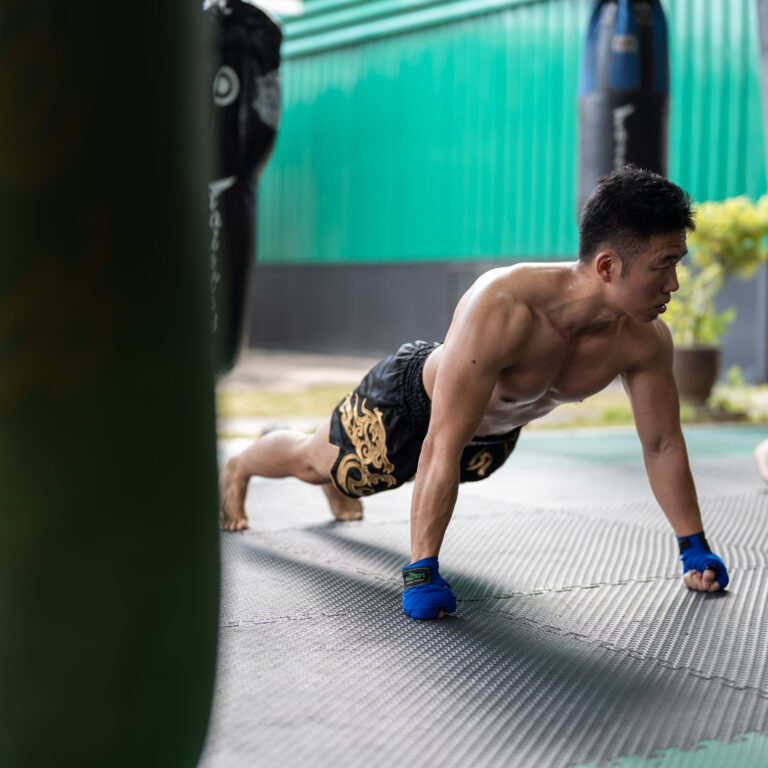
One of the most significant benefits of Muay Thai training is the exceptional fitness it can build through consistent practice.
While most sports practiced regularly improve strength, speed, and overall health, Muay Thai stands out as one of the most effective disciplines for rapid fat loss and full-body conditioning.
Muay Thai is widely recognised for developing a physique many people strive for: lean, muscular, without excess bulk, and powerful—particularly through the core and lower body.
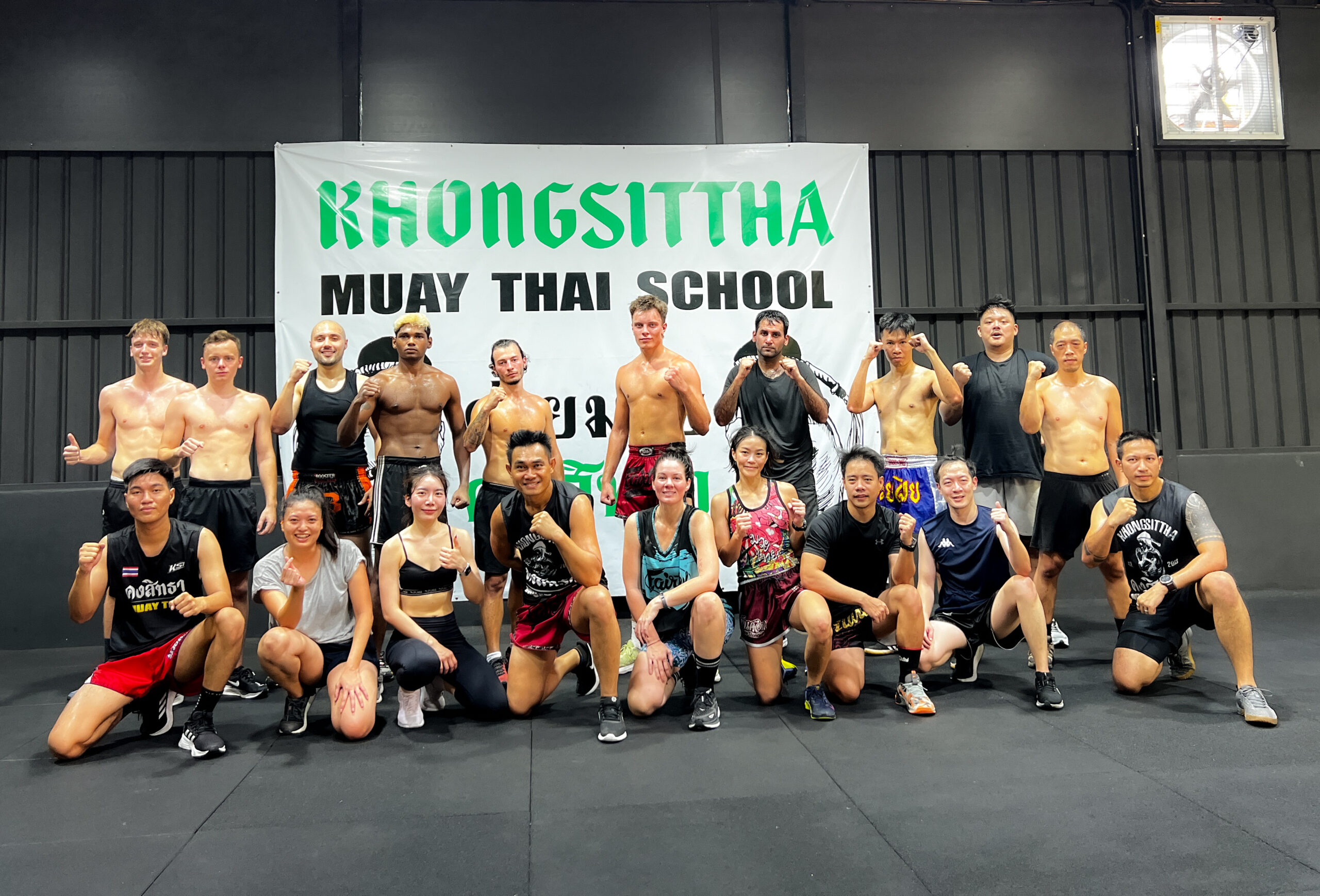
At Khongsittha Muay Thai, training is structured to help students use Muay Thai to achieve both performance and fitness goals. The following four benefits are central to that approach.
Increased Overall Core Strength
Core strength refers to the muscles of the abdomen, lower back, and pelvis. A strong core improves balance, stability, and overall athletic performance.
Many beginners assume core training focuses solely on abdominal muscles, but Muay Thai challenges the core far beyond that.
The rotational and repetitive movements inherent in Muay Thai—striking, defensive footwork, clinching, and conditioning drills—engage the entire core continuously.
Every kick, knee, elbow, and defensive movement requires stability and control through the midsection, resulting in a strong, functional, and high-performing core.
Increased Leg Strength
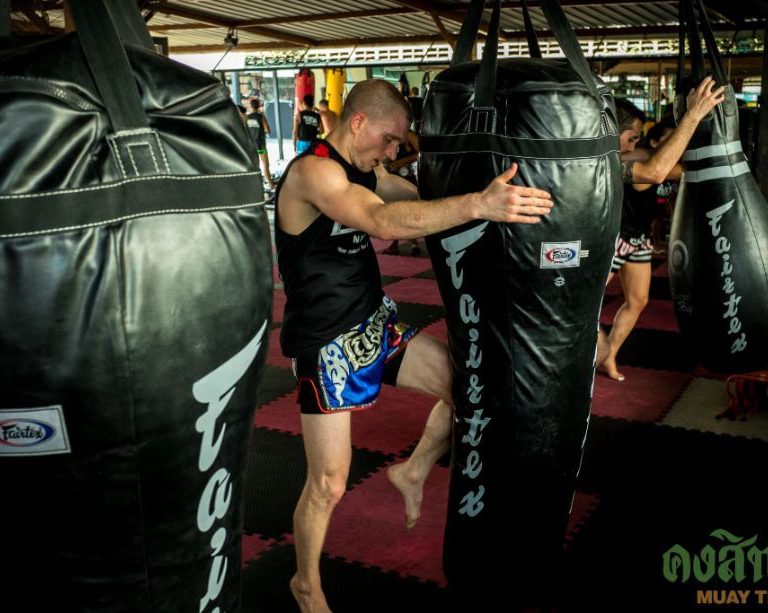
Muay Thai places heavy emphasis on the lower body, making leg strength one of its most noticeable physical benefits. Kicks, knees, footwork drills, and stance work activate nearly every muscle group in the legs.
With consistent training, students experience increased muscular endurance, greater force production, improved agility, and more efficient footwork. Aesthetic benefits also follow—firmer, more defined leg muscles. The powerful calves seen on elite Muay Thai fighters are not genetic accidents; they are the result of years of disciplined training.
Cardiovascular Conditioning
The level of cardiovascular conditioning developed through Muay Thai training is exceptional.
Muay Thai is both aerobic and anaerobic, placing significant demand on the heart and lungs.
This is why experienced fighters can perform at high intensity for three to five rounds without fatigue. Regular training forces the body to adapt to sustained effort and explosive bursts of energy.
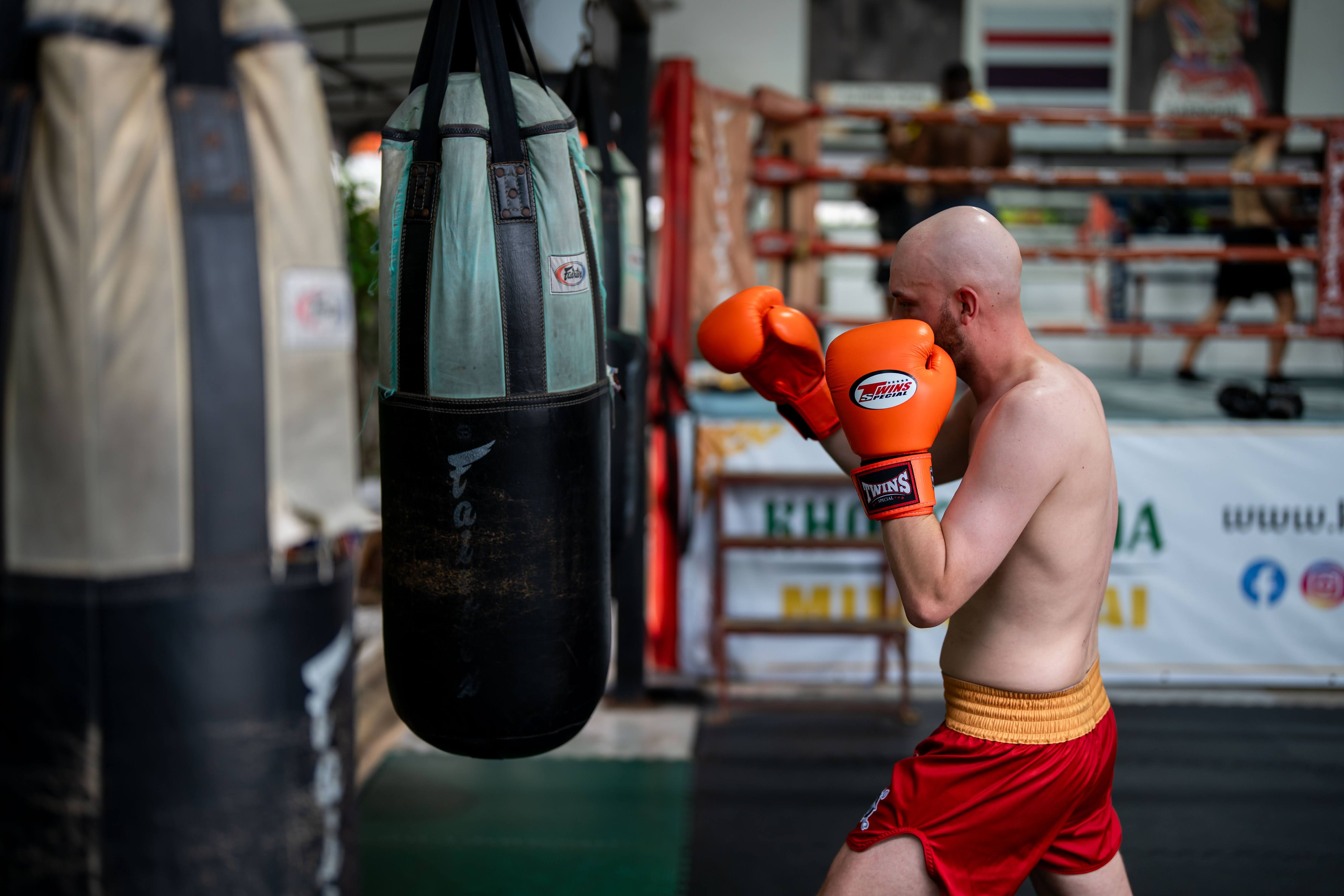
Skipping rope, pad work, bag rounds, and conditioning drills all contribute to improved endurance.
So when those extra rounds or jump ropes appear in training, remember that the payoff is substantial.
Improved Hip Mobility
One of the most overlooked benefits of Muay Thai training is increased hip mobility.
Reduced mobility—often caused by sedentary lifestyles—has been linked to pain and long-term joint issues later in life.
The kicking, kneeing, and rotational movements in Muay Thai promote hip flexibility and strength, helping maintain a healthy range of motion.
Over time, this can reduce stiffness and prevent chronic discomfort.
As with all martial arts, proper warm-ups and post-training stretching are essential to avoid injury and support long-term joint health.
Muay Thai for Fitness, Not Just Fighting
While Muay Thai is a thrilling and physically demanding combat sport, it is also an incredibly effective fitness discipline.
As the sport becomes more widely recognised, more people are discovering that they can enjoy the physical and mental benefits of Muay Thai without ever stepping into the ring.
Not everyone who trains Muay Thai has to fight.
As with any sport, it’s important to research beforehand and consult a healthcare professional if you have existing injuries or medical concerns.
When approached correctly, Muay Thai offers a challenging, rewarding, and sustainable path to improved fitness and overall well-being.