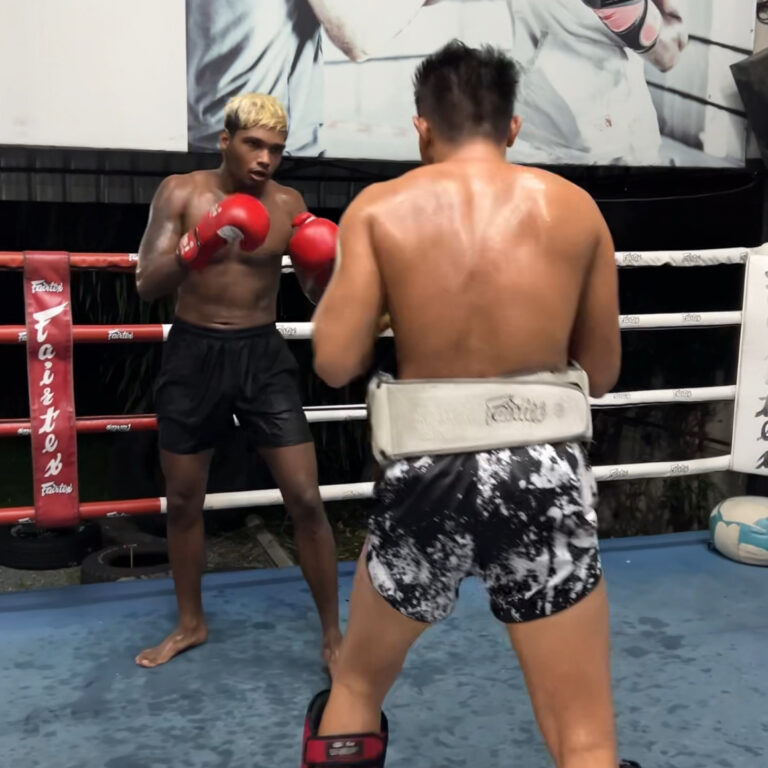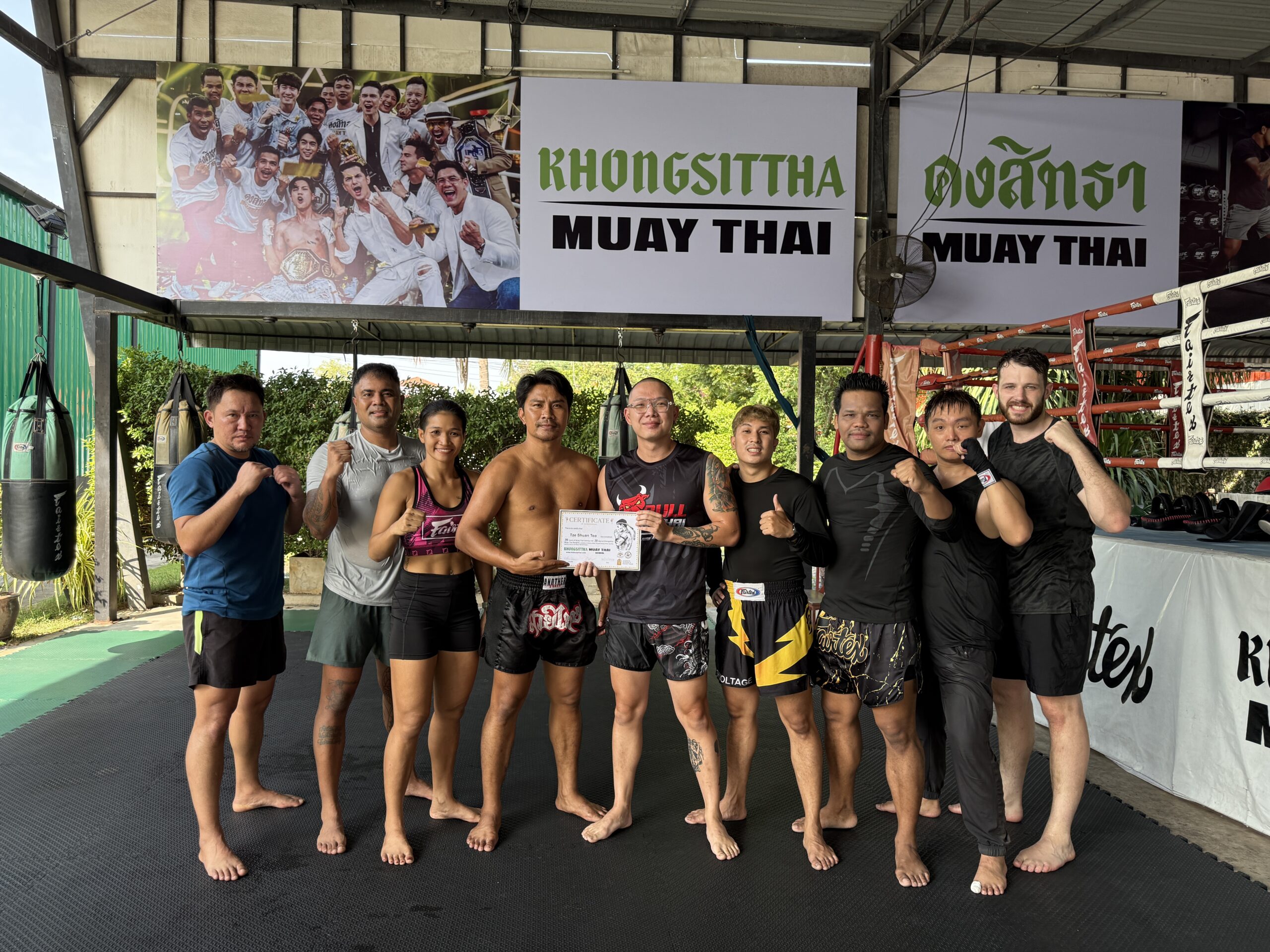

When most people think of martial arts, they picture iconic on-screen fighters like Jackie Chan, Michelle Yeoh, and Wesley Snipes! Others think of martial arts as a competitive sport, showcased on the world stage at events like the 2016 Rio Olympics, which featured disciplines such as Judo and Taekwondo.
For MMA trainees, Muay Thai is often considered a foundational discipline—a proper “101-level” course.
Beyond competition and combat, martial arts offer value beyond learning how to fight.
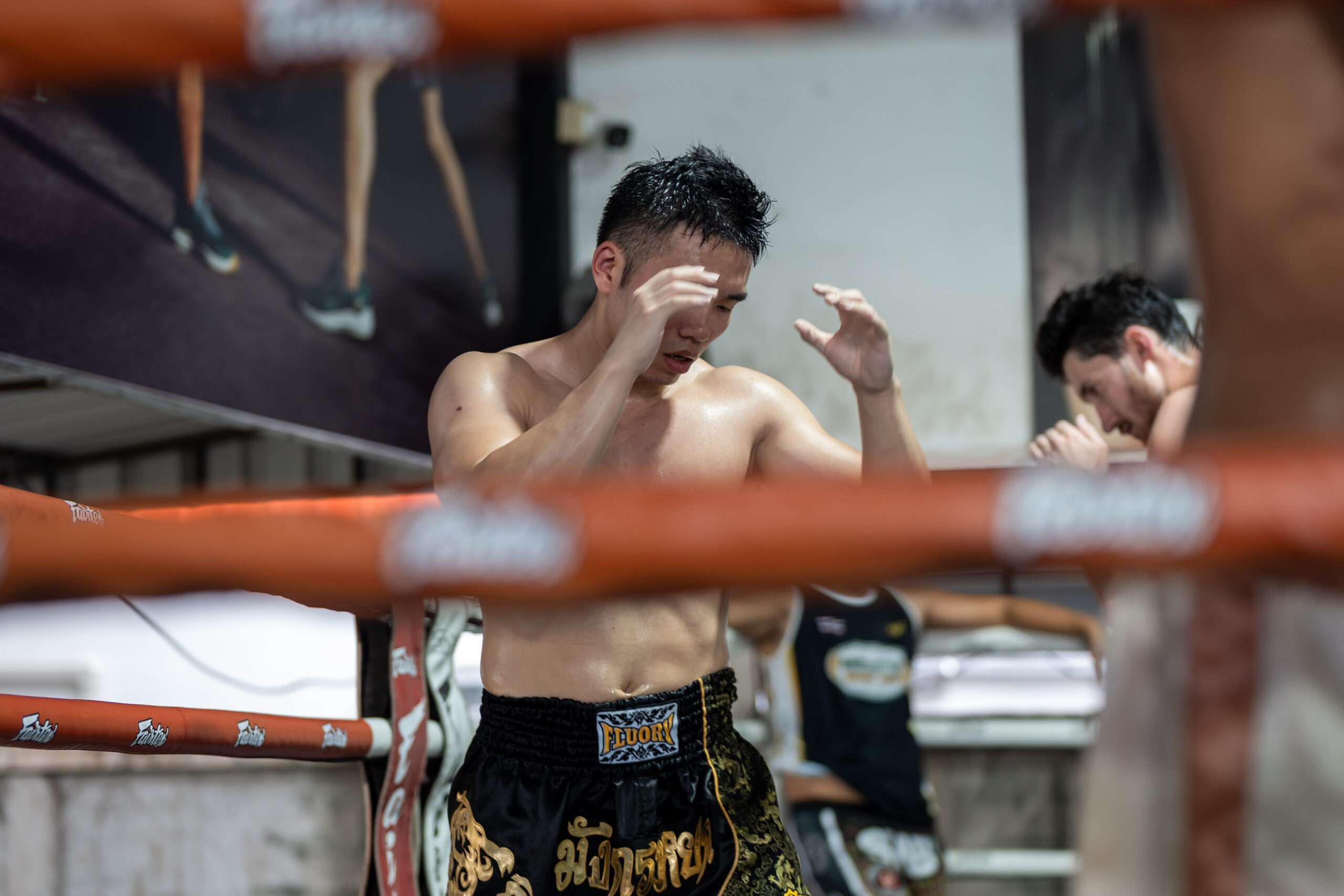
More Than Just Fighting
Muay Thai is not only about striking, conditioning, or competition. It is a discipline that strengthens both the body and the mind. Whether your goal is physical fitness, mental clarity, or personal growth, Muay Thai offers benefits that extend well beyond the gym.
Cardiovascular Strength and Endurance
One of the most essential benefits of Muay Thai is its impact on cardiovascular health. Long-standing debates often pit cardio against strength training, but Muay Thai delivers both in a single session.
Regular training strengthens the heart, arteries, and veins, helping reduce the risk of heart disease, stroke, and circulatory issues. Symptoms such as shortness of breath, fatigue, and weakness are often signs of a declining cardiovascular system—something consistent training can help prevent.
Ideally, engaging in physical activity for at least 30 minutes, four days a week, can dramatically improve heart health, and Muay Thai easily exceeds that benchmark.
Fat Loss and Lean Muscle Development
It’s not just about losing weight—it’s about losing fat and building lean muscle.
While a pound of fat and a pound of muscle weigh the same, their composition differs significantly.
Fat takes up more space, while muscle is denser and more compact.
Muay Thai builds lean muscle through repeated movement, resistance, and explosive power, which in turn boosts metabolism and improves the body’s ability to burn fat efficiently.
The result is a stronger, more athletic physique with improved endurance and energy levels.
Sharper Reflexes and Coordination
Success in martial arts depends heavily on reflexes, timing, and awareness. As you progress from beginner to intermediate and beyond, your reaction speed naturally improves.
These sharpened reflexes don’t stay in the gym—they carry over into everyday life.
Faster reaction times can improve driving safety, help prevent falls, and increase your ability to respond quickly in unexpected situations.
Confidence and Mental Well-Being
The mental benefits of Muay Thai are just as powerful as the physical ones.
Exercise has long been proven to improve mood and reduce stress, but martial arts training takes this a step further. Studies have shown that those who train in martial arts often develop higher self-esteem and confidence—something even noted by institutions such as West Point.
Self-confidence is the belief that you can commit to a challenge and see it through, a skill that applies not only in the ring, but in work, relationships, and life as a whole.
Immersing Yourself in Muay Thai in Thailand
Whether you’re a beginner, an experienced practitioner, or someone considering a professional career, taking a deep dive into Muay Thai in Thailand is a transformative experience.
Training in Bangkok places you at the heart of the sport’s birthplace, where Muay Thai is deeply woven into daily life. You’ll train alongside people of all ages, from young children to seasoned veterans, many of whom see Muay Thai as essential to their mental and physical well-being.
Beyond training, you’ll have the chance to experience Thai culture firsthand, learn the language, and broaden your perspective in ways that extend far beyond the gym.
Taking the Leap
Bangkok is home to a vibrant international community, with expats from around the world who share a passion for Muay Thai. Whether you stay for a few weeks or immerse yourself for months or even a year, you’ll find yourself surrounded by like-minded individuals on similar journeys.
The confidence gained through training often extends into every aspect of life, sometimes becoming a genuine turning point.
What begins as a training experience can evolve into something far more meaningful—shaping your outlook, your discipline, and your sense of self long after you leave the ring.