
What to Eat When Training Muay Thai in Bangkok
If you’re training Muay Thai in Bangkok, you’re in a perfect place to eat well, train hard, and recover smarter.
The city is full of food stalls, markets, and street vendors offering delicious and affordable meals. With a little planning, you can build a nutrition strategy that supports your training, recovery, and performance.
If you are staying on-site at Khongsittha Muay Thai at our partner accommodation Kiatthada, you will be in a fantastic area for delicious and healthy local Thai food. Plus, there are a number of international cuisines and plant-based options at the local shopping malls or via the online food delivery apps such as Grab.
Check out our guide to what to eat when doing Muay Thai, plus lots of real meal ideas you can find around Bangkok.

Why Nutrition Matters When You’re Training Muay Thai
Training Muay Thai involves endurance, strength, explosive work, repeated rounds, and recovery. When you’re kicking, clinching, sparring, or doing bag work, your body burns through this glycogen quickly. Eating enough carbohydrates ensures you have the energy to train hard and maintain power throughout each round.
In addition to needing food for energy, Muay Thai pushes your limits every day, and when your body is rundown, every part of your training suffers. If you’re constantly getting sick, injured, or too fatigued to train, your growth stalls. A strong immune system, good sleep, and balanced nutrition keep you functioning at your best.
How to Eat When You’re Training Muay Thai
Eat enough total calories
If you train heavily, your calorie needs increase. Under-fueling can cause fatigue, poor recovery, or muscle loss. When you’re training hard, especially twice a day, your body burns a lot of energy. Aim for a balanced mix of carbs and protein, and don’t skip meals. Eat a carb-rich meal 2–3 hours before training and a smaller snack (like fruit or bread) 30–60 minutes before. Don’t avoid healthy fats, as they provide long-lasting energy and help regulate hormones.
Choose good-quality local food
Bangkok has plenty of fresh options: grilled lean meats, rice/porridge, stir-fried vegetables, and fruit. Avoid too much deep-fried, highly processed, or sugary foods. Stick to mild, easy-to-digest foods for the first few days to adjust to the new diet, such as rice, noodles, tofu, grilled meat, and steamed vegetables. Incorporate your usual supplements and consider options that support gut health, including prebiotics or probiotics.
Hydration and electrolytes
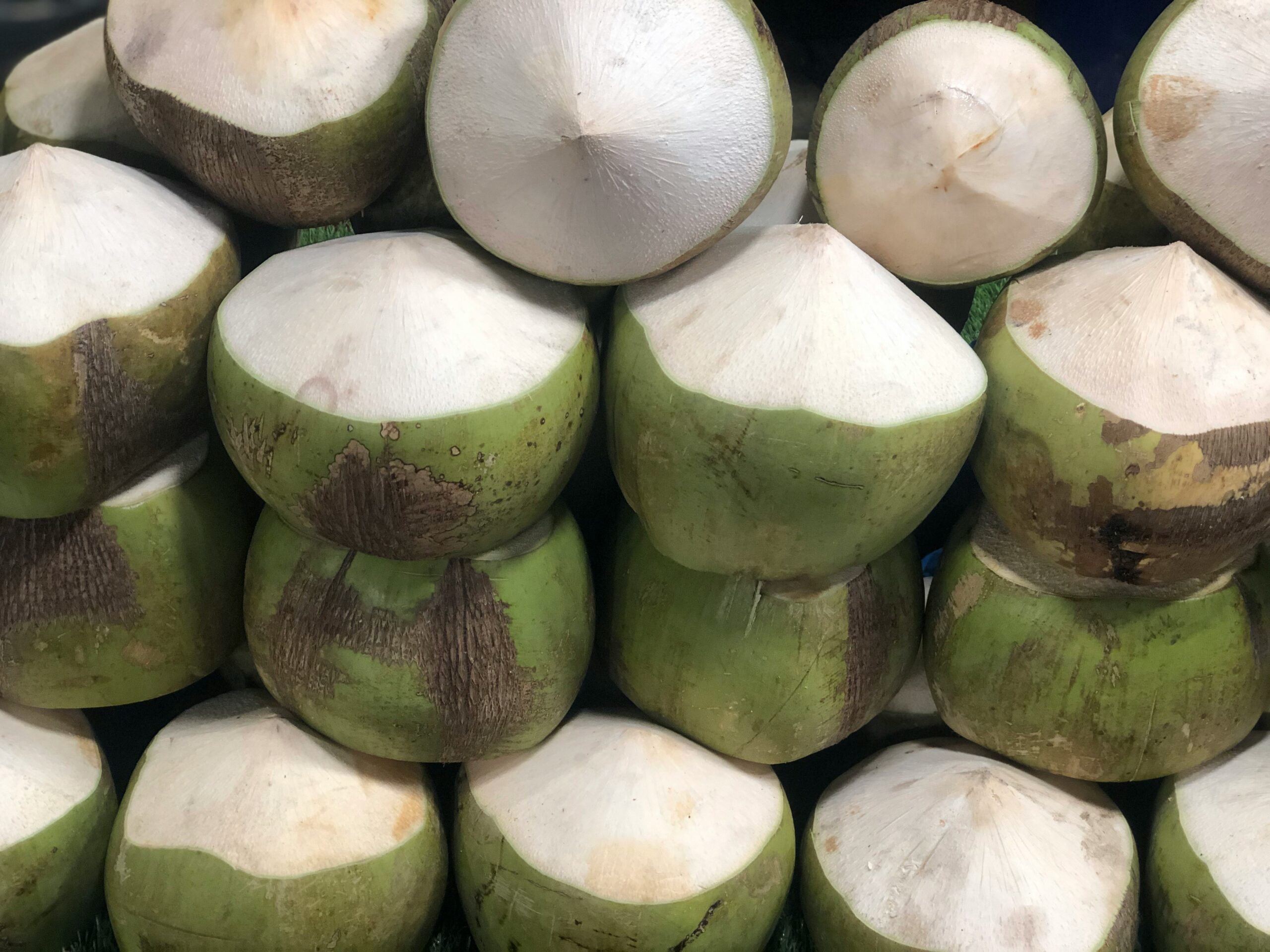
Drink water, coconut water, or fruit. After training, replace fluids and electrolytes. The heat and humidity increase sweating, which means you lose electrolytes and water much faster than usual. Dehydration can cause fatigue, dizziness, muscle cramps, and slower recovery. Maintaining your hydration levels throughout the day with electrolytes will help restore sodium, potassium, and magnesium levels, keeping your muscles functioning properly.
Breakfast Options
Jok – Rice porridge/congee with egg, pork, or tofu
Khao Niao Mu Ping – Sticky rice with grilled pork skewers
Khai Jiao – Thai omelette with vegetables and a choice of meat or tofu
Kluai Ping – Grilled Banana
Fresh Fruit – Banana, papaya, mango, watermelon, pineapple
Black Coffee or Green Tea
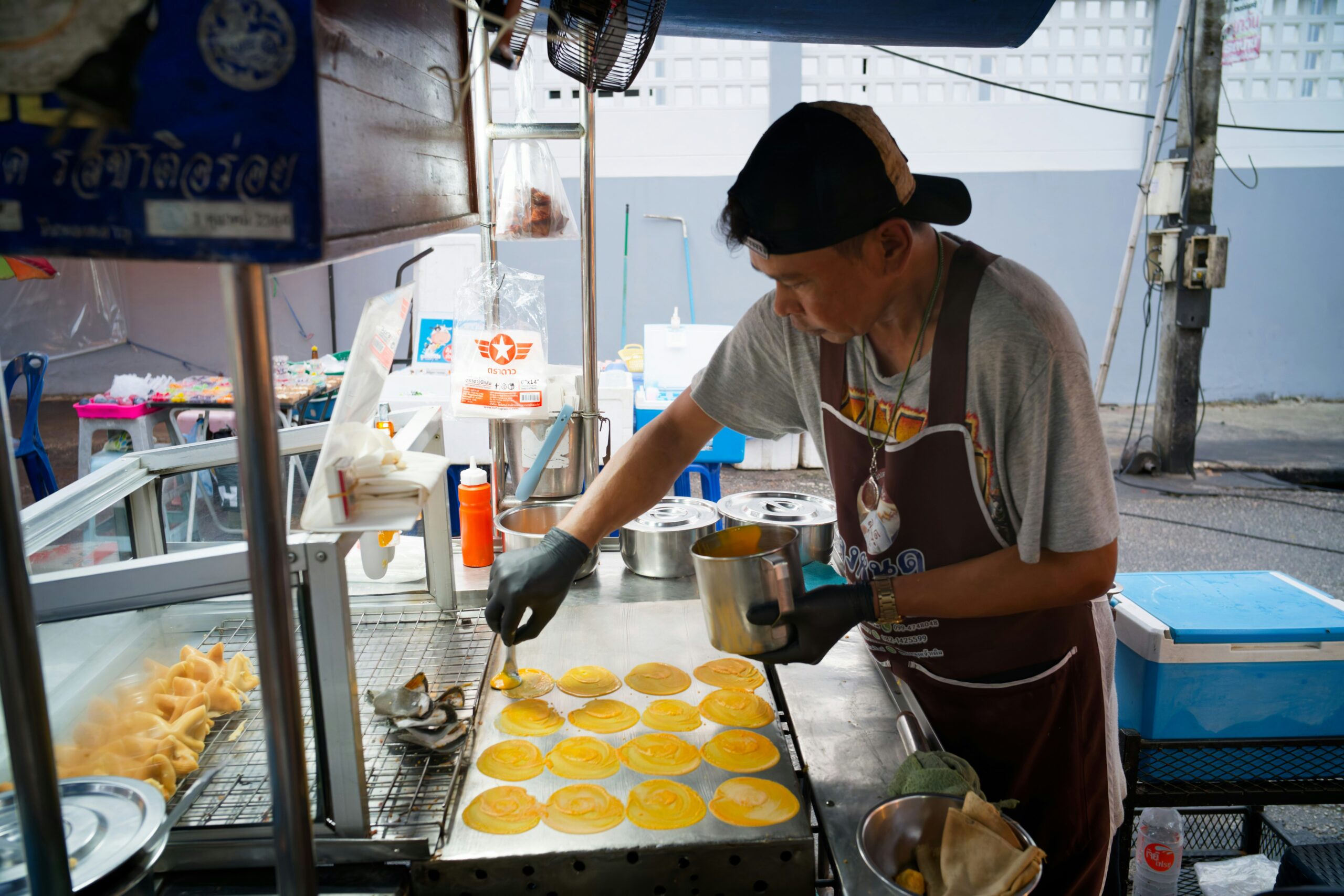
Khanom Krok – Coconut rice pancakes, small and lightly sweet
Kanom Jeen Nam Ya Jay – Rice noodles with mild curry sauce
Lunch & Dinner Options
Chicken
Khao Man Gai – Steamed or boiled chicken with rice and broth
Gai Yang – Grilled chicken, often with sticky rice
Pad Kra Pao Gai – Stir-fried chicken with holy basil
Gai Pad Med Mamuang – Stir-fried chicken with cashew nuts
Pork
Pad Kra Pao Moo – Stir-fried pork with holy basil
Pad Moo Sub – Stir-fried minced pork
Moo Pad Nam Man Hoi – Stir-fried pork with oyster sauce
Prawns / Seafood
Goong Pad Nam Man Hoi – Stir-fried prawns with oyster sauce
Goong Pad Kra Pao – Stir-fried prawns with holy basil
Goong Pad Prik – Stir-fried prawns with chili
Tom Yum Goong – Spicy and sour prawn soup
Pla Pao – Grilled fish
Eggs
Khao Khai Jiao – Rice with Thai omelette
Boiled eggs – Simple and portable protein
Vegan / Plant-Based
Pad Pak Ruam Mit – Stir-fried mixed vegetables
Tofu Pad Nam Man Hoi – Stir-fried tofu with vegan oyster sauce
Tofu Pad Kra Pao – Stir-fried tofu with holy basil and soy sauce
Tofu Pad Prik – Stir-fried tofu with chili and vegetables
Khao Pad Jay – Vegetable fried rice
Gaeng Jay – Thai curry with vegetables
Kanom Jeen Nam Ya Jay – Rice noodles with mild vegan curry sauce
Som Tum Jay – Green papaya salad without fish sauce or dried shrimp
Fresh Fruit or Fruit Smoothie – Mango, banana, papaya, watermelon, pineapple
Local Fruits Commonly Available in Bangkok
Mango (Ma Muang)
Banana (Kluai)
Watermelon (Taeng Mo)
Pineapple (Sap Pa Rot)
Papaya (Ma La Ko)
Melon (Khan Ta Lup)
Coconut (Ma Phrao)
Guava (Fa Rang)
Mangosteen (Mang Khoot)
Rose Apple (Chom Phu)
Longan (Lam Yai)
Lychee (Lin Chee)
Tip: If training twice a day, include enough carbs at dinner to restore glycogen for the next session.

Sample Day for a Muay Thai Trainee in Bangkok
Pre-workout snack (optional): A few dates, a banana with peanut butter, black coffee, or a granola bar
7:00–9:00 First training session (running, skipping, pad work)
9:15 Breakfast: Jok with egg and minced pork plus banana
10:30 Snack: Coconut water with boiled egg or fresh fruit
12:00 Lunch: Steamed rice with grilled chicken and stir-fried vegetables or salad
14:30 Snack: Sticky rice with grilled pork skewers or rice noodles with lean meat
15:30–17:30 Second session (bag work, sparring, clinch rounds)
19:00 Dinner: Steamed rice with grilled fish and mixed vegetables, optional small side of som tum
21:00 Evening snack (if needed): Plain yogurt with banana or papaya
Hydration: Water, coconut water, or iced unsweetened tea throughout the day
Quick Tips for Eating Out In Bangkok
- Pick busy stalls: high turnover ensures fresher food
- Ask vendors for less oil or sugar: for example, skip the sauce/dressing or ask for no sugar in juice/smoothies
- Choose grilled or steamed meat and fish: avoid deep-fried chicken/fish with excess oil
- Include vegetables and salad for micronutrients and fiber: balance out rice/meat dishes with fresh herbs and vegetables
- Manage spice and salt: very spicy or heavy meals can affect digestion or sleep and make training/running uncomfortable
- Hydrate constantly: coconut water and electrolyte sachets are important to avoid heat exhaustion and fatigue during sessions
Final Thoughts
By following these guidelines, you’ll train harder, recover better, and enjoy the local food scene. It might take some time to adjust to a new diet and routine, so it is important to keep things simple in the beginning by avoiding or reducing greasy and spicy food.
If you are struggling with local Thai cuisine, consider exploring international or Western options, or try preparing simple meals at home using ingredients from the market or grocery store.
Health food items are widely available, including protein powder, vegan alternatives, gluten-free options, supplements, and much more!
Fighters can also maximise their training goals by working with a sports nutritionist in Thailand who can develop a plan specifically for their training and fight schedule; ideal if you are unsure how to fuel your body or safely cut weight before a fight.
Helpful Resources
https://rajadamnern.com/blog/muay-thai-diet/
https://migrationology.com/top-16-bangkok-street-food-sanctuaries/