
Staph Infections in Muay Thai Camps
Combat sports athletes face many challenges, but few can derail training as quickly as skin infections. In the close-contact world of Muay Thai, staph infections are common and can range from minor inconveniences to serious health emergencies.
Understanding how to prevent and manage staph infections is essential to keeping your progress on track and staying healthy.
What Is a Staph Infection?
A staph infection is caused by the Staphylococcus bacteria, particularly Staphylococcus aureus.
These bacteria naturally live on the skin and inside the nose of many healthy individuals.
Problems arise when staph bacteria enter the body through small cuts, abrasions, or open wounds. Staph is easily transmitted through skin-to-skin contact. Once inside, they can cause anything from minor skin irritations to life-threatening conditions.

Why Muay Thai Fighters Are at Risk
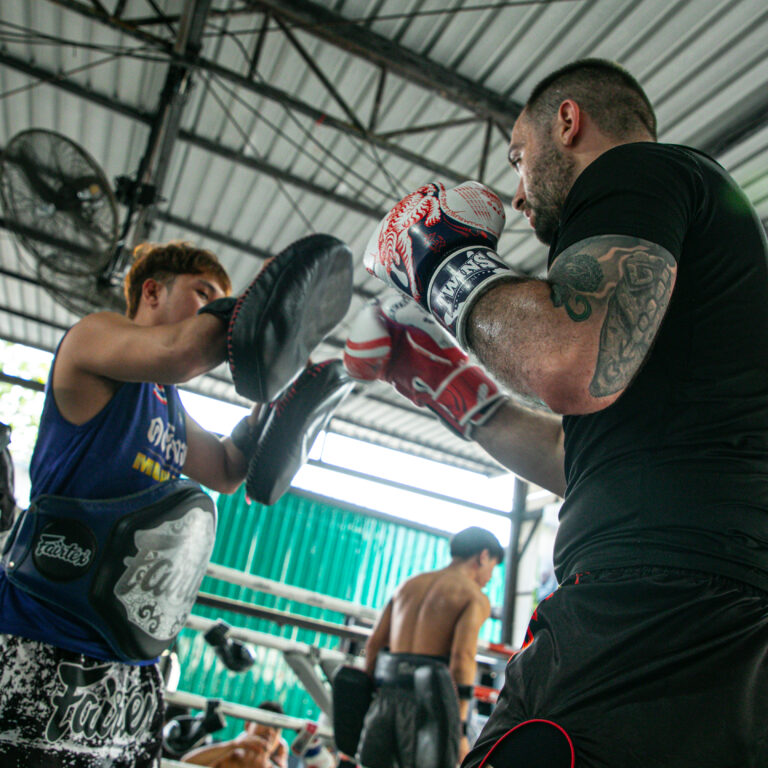
Muay Thai training environments, especially in tropical climates like Thailand, create ideal conditions for the spread of staph.
Several factors increase the risk, including:
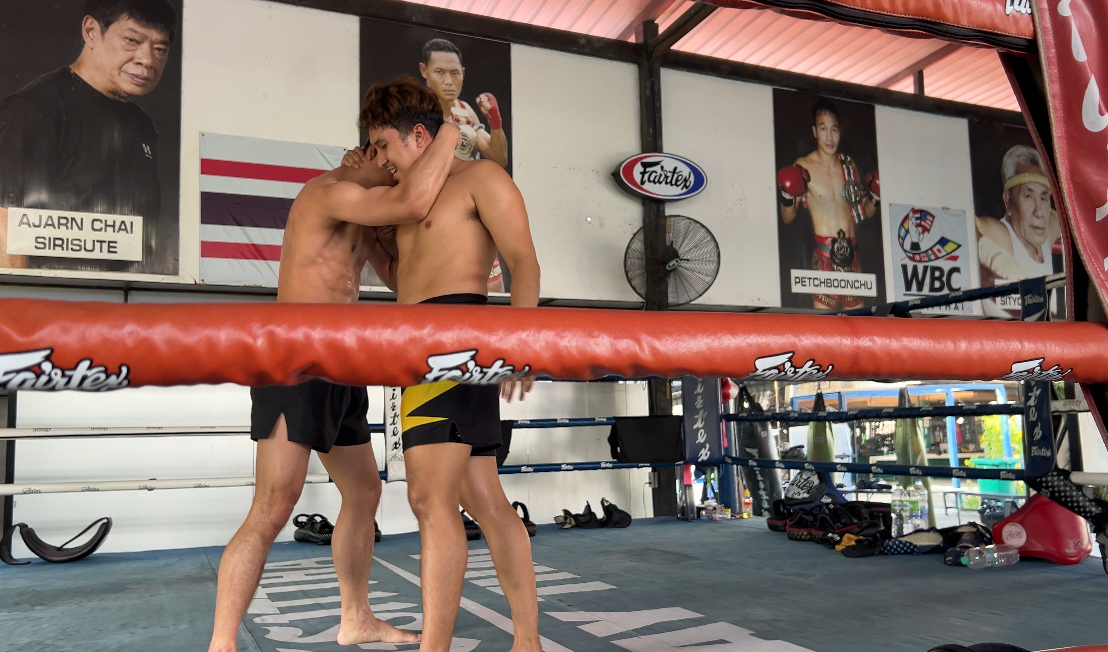
- Skin-to-skin contact during clinching and sparring
- Shared equipment such as shin guards, gloves, and mats
- High humidity and heat that promote bacterial growth
- Frequent minor injuries like blisters, cuts, and abrasions
Combined with intense training schedules and close living quarters, these factors make vigilance crucial.
Common Types of Staph Infections in Fighters
- Skin Infections
- Boils or abscesses: Painful, pus-filled lumps often mistaken for pimples or bug bites
- Cellulitis: Red, swollen areas of skin that may feel warm or tender to the touch
- Impetigo: Blister-like sores that rupture and form a crust (usually seen in children, but can affect adults)
- Serious Complications
- Sepsis (a potentially fatal bloodstream infection)
- MRSA (a drug-resistant form of staph) MRSA is more difficult to treat and often spreads in places like hospitals, gyms, or locker rooms.
- Infections in the lungs, heart, or bones
Common Symptoms
- Red, swollen, or warm areas of skin
- Painful lumps that may contain pus
- Sores or wounds that do not heal
- Fever, chills, or fatigue accompanying a skin issue
- Rapid worsening of what seems like a minor irritation
Treatment Options
- Oral antibiotics
- Warm compresses
- Topical antibacterial ointments
More severe infections may require:
- Incision and drainage of abscesses
- Intravenous (IV) antibiotics
- Hospitalization, especially in cases involving MRSA
If you’re training in Thailand and suspect you have a staph infection, seek medical attention promptly.
Clinics are affordable and experienced in treating fighters.
How to Prevent Staph Infections
While there’s no guaranteed way to prevent staph, strict hygiene can significantly reduce your risk.
Personal Hygiene Tips
- Shower immediately after training
- Use antibacterial soap or body wash
- Keep nails clean and trimmed
- Consider using antimicrobial body wipes when showers aren’t immediately available
Gear and Clothing
- Never share gloves, shin guards, hand wraps, or towels
- Wash all training clothes and hand wraps after each session
- Regularly disinfect gloves, pads, and other equipment
Skin and Wound Care
- Cover any cuts or scrapes with clean bandages
- Apply antiseptic to broken skin
- Avoid training if you have any suspicious or infected skin issues
- Consider using preventative antimicrobial sprays designed for athletes
Gym Cleanliness
- Train at gyms that sanitize mats and gear daily
- Ask about their cleaning protocols
- Be cautious of crowded, poorly ventilated facilities
When to Seek Medical Help
It is important to seek medical attention and to follow up on any concerns regarding a potential staph infection as soon as possible.
Visit a doctor or clinic if you experience any of the following:
- A lump that becomes larger or more painful
- Pus or foul-smelling discharge
- Fever or chills accompanying a skin infection
- Red streaks extending from a wound
Final Thoughts
Training hard is central to Muay Thai, but so is staying healthy.
If left untreated, staph infections can quickly derail your progress. Fortunately, with good hygiene habits, early symptom recognition, and prompt medical attention, you can protect yourself and continue your journey in the sport.
Take care of your body, respect your training partners, and help keep staph off the mats.
If you would like to train Muay Thai in Bangkok and stay on-site in clean and comfortable accommodation – check out our popular Train & Stay Packages and book your spot at Khongsittha Muay Thai today!
Resources:
https://www.ncbi.nlm.nih.gov/books/NBK441868/
https://www.mayoclinic.org/diseases-conditions/staph-infections/diagnosis-treatment/drc-20356227