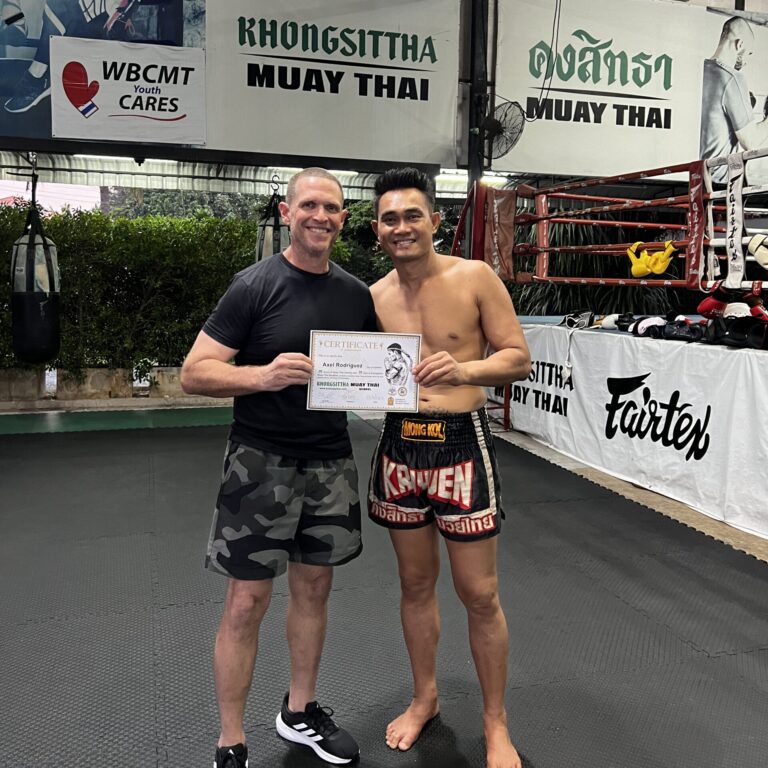

Dieting is one of the hardest things for people to stick to, not just athletes. It is also a highly debated topic within the Muay Thai world. Traditionally, most Thai fighters do not monitor their nutrition to the same extent as professional athletes in other parts of the world.
Avoiding carbohydrates, cutting out processed foods, or limiting sugar intake has never been a significant concern for many Nak Muay.
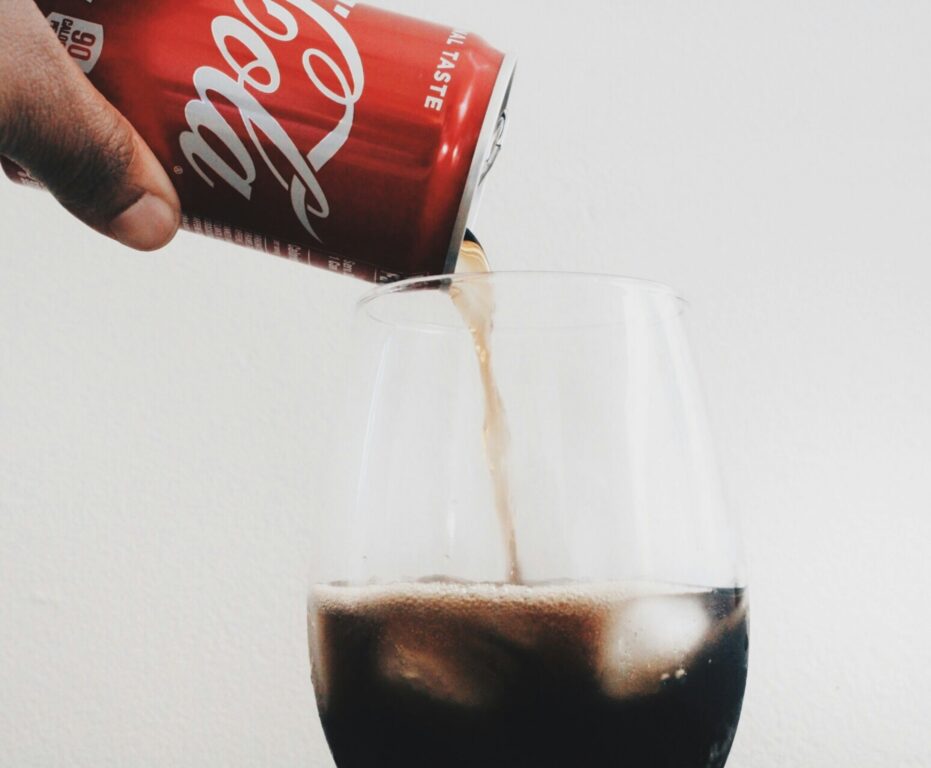
It is not uncommon to see fighters drinking liters of Coca-Cola for quick energy from sugar.
The general belief in Thailand is that as long as you are not overeating and not drinking excessive amounts of alcohol, you will be able to perform in the ring and maintain your weight.
While this blog often discusses nutrition in Muay Thai, this article focuses specifically on why sugar may be secretly slowing your weight loss and lowering your energy levels during training.
What Sugar Does to Your Body
Sugar, also known as glucose, is an essential nutrient that provides energy to the body.
Glucose is naturally produced when we digest carbohydrates. Insulin, a hormone created in the pancreas, helps regulate blood sugar levels. When blood glucose levels are too high, the body experiences hyperglycemia; when they are too low, hypoglycemia occurs.
The sugar we consume is broken down in the digestive system into two primary components: glucose and fructose.
Most sugars from natural foods and sugarcane are converted into glucose. However, synthetic sweeteners, such as high-fructose corn syrup, contain higher levels of fructose.
When consumed in large amounts over long periods, fructose can place significant stress on the body and negatively affect overall health.
Sugar and Fat Gain
Carbohydrates from whole, complex sources are necessary for fueling Muay Thai training and competition. However, added sugars found in processed foods and sugary drinks are unnecessary and harmful.
During training, fighters expend a large amount of energy, which can be replenished through healthy carbohydrate sources without relying on refined sugar.
If you choose to consume sugar, it is essential to stay within recommended limits.
The American Heart Association suggests no more than five teaspoons (20 grams) per day for women, nine teaspoons (36 grams) per day for men, and three teaspoons (12 grams) per day for children.
For reference, a single can of soda may contain up to 12 teaspoons of sugar, whereas one slice of whole-wheat bread may include up to 2 teaspoons of added sugar.
Due to sugar’s effect on hormones and brain chemistry, it promotes fat storage more easily than other calorie sources.
Sugar can also trick the body into feeling hungry when it is not, making dieting far more difficult.
Over time, calories from sugar are less satiating, causing the body to crave more food to feel satisfied. This becomes a serious obstacle for anyone trying to cut weight.
Dopamine and Sugar Addiction
Dopamine is a neurotransmitter responsible for motivation, pleasure, and reward-based behavior.
It is commonly linked to addictive habits, and sugar triggers this same response. Consuming sugar causes a sharp spike in dopamine levels, reinforcing cravings and creating a cycle of dependency.
While training and exercise also release dopamine and serotonin, sugar produces a far more exaggerated response.
This can lead to increased sugar cravings during and after training sessions. For a Nak Muay, this dependence can negatively affect performance, recovery, and weight control.
The Bottom Line
Added sugars are not necessary for Muay Thai training. A well-balanced diet that includes quality carbohydrates provides enough fuel for performance, recovery, and proper hormone regulation.
Reducing sugar intake can improve energy levels, support weight loss, help balance hormones, and help you perform better in both training and competition.
For those looking for structured guidance, Khongsittha offers training packages that include support from experienced trainers and nutrition specialists to help you optimize both performance and health.